Our research group is dedicated to investigating the structural and pharmacological mechanisms of membrane transporters and receptor proteins associated with neurological disorders and tumors.
Our research focuses on Solute Carrier (SLC)-mediated transmembrane transport and membrane receptor-mediated signaling pathways governing growth and development.We aim to elucidate their physiological functions and pathological mechanisms at the molecular level.Furthermore, we conduct small-molecule drug screening and design targeting key proteins, driving innovative drug discovery for neurodegenerative diseases and cancer.
1. Transmembrane Transport Mechanisms
Systematically investigated the transport mechanisms of neurotransmitters and metabolites:
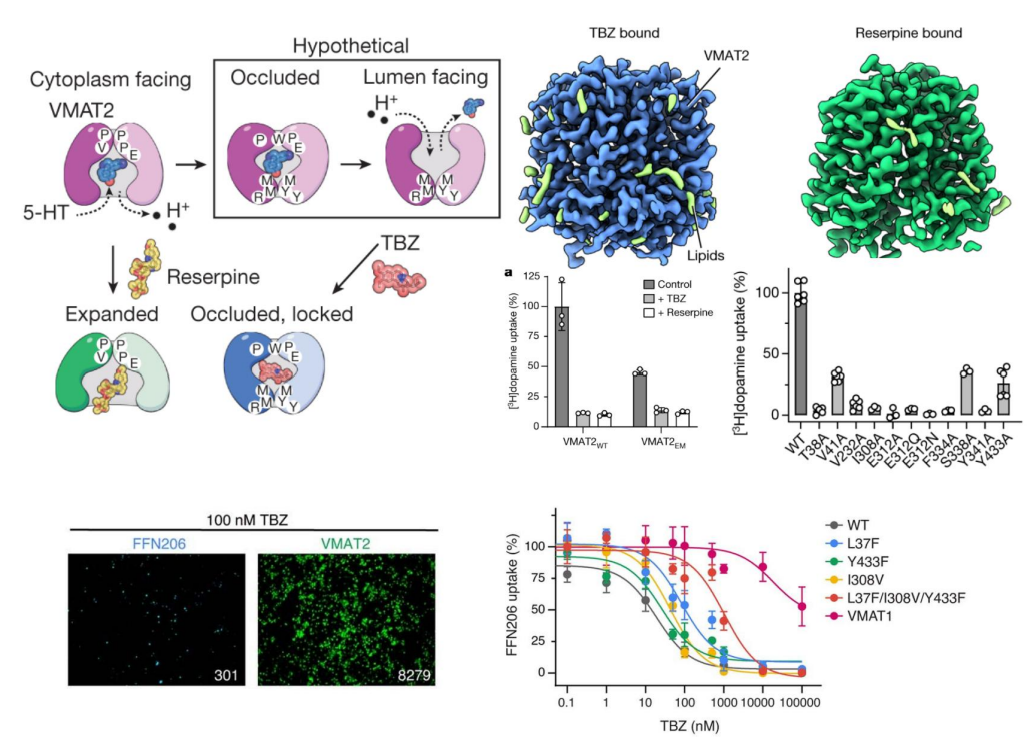
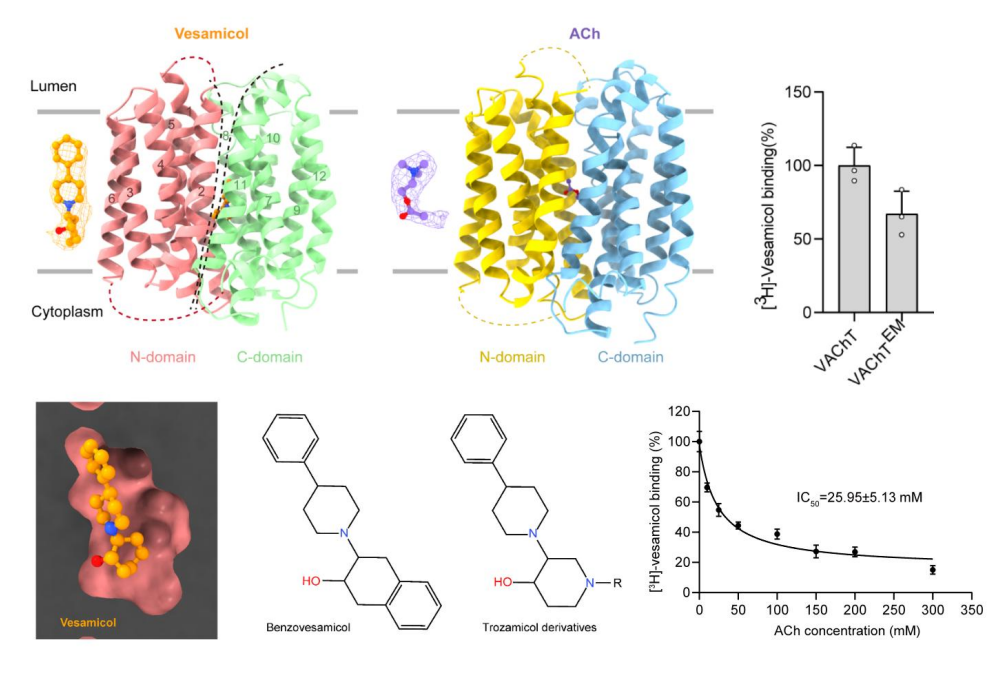
- Neurotransmitter Loading: Elucidated the vesicular loading mechanisms of monoamine neurotransmitters and acetylcholine, along with the molecular basis of related drug actions (Nature 2023; Cell Res. 2024a; Structure 2026).
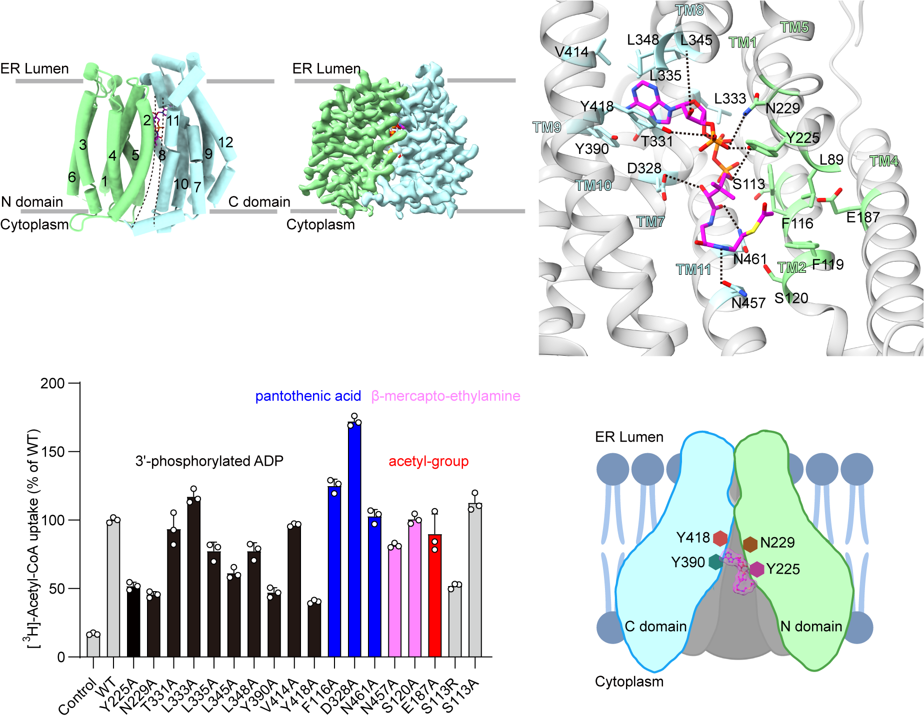
- Vitamin Transport: Clarified the substrate recognition and transport mechanisms of multiple vitamin transporters, including SLC19 and SLC33A1 (Cell Discov. 2022; Cell Res. 2024b; Cell Discov. 2025).
- Metabolite Transport: Resolved the substrate transport mechanism of the glucose-6-phosphate transporter SLC37A4 and the inhibitory mechanism of its small-molecule inhibitors (Nat. Struct. Mol. Biol. 2026).
2. Transmembrane Signal Transduction
Focused on the regulatory mechanisms governing growth, development, and cell death signaling:
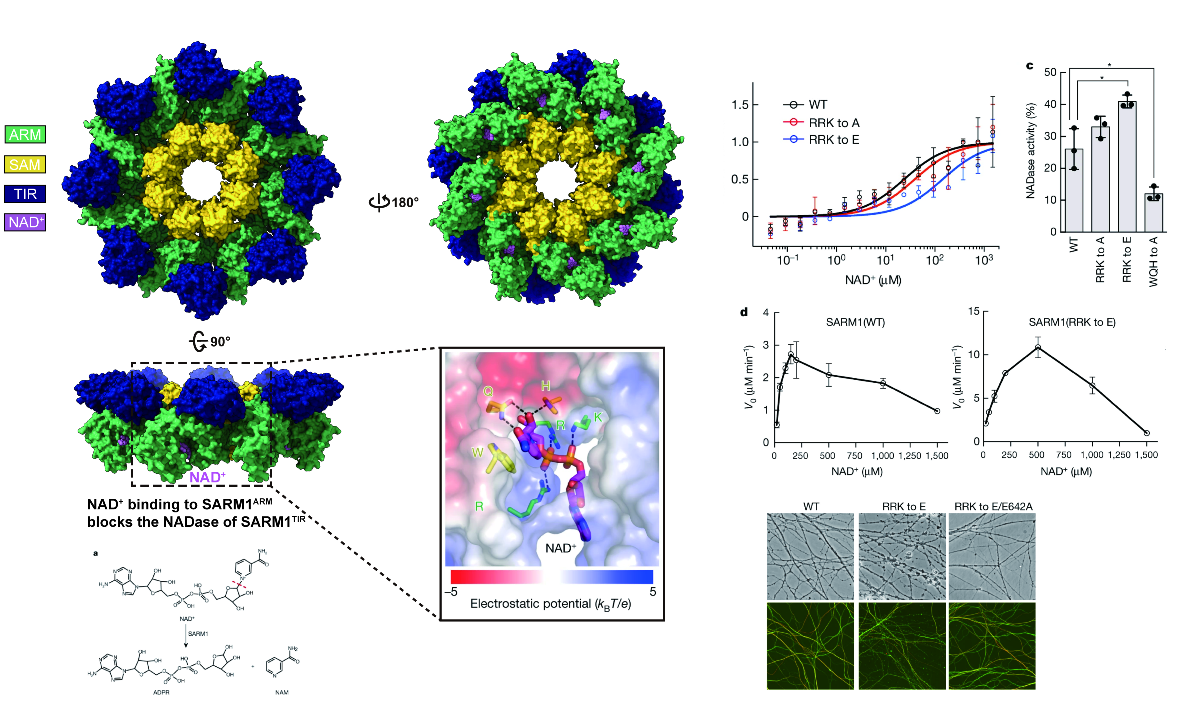
- Cell Death & Survival: Resolved the molecular pathological mechanism of SARM1, a key regulator of axon degeneration (Nature 2020).
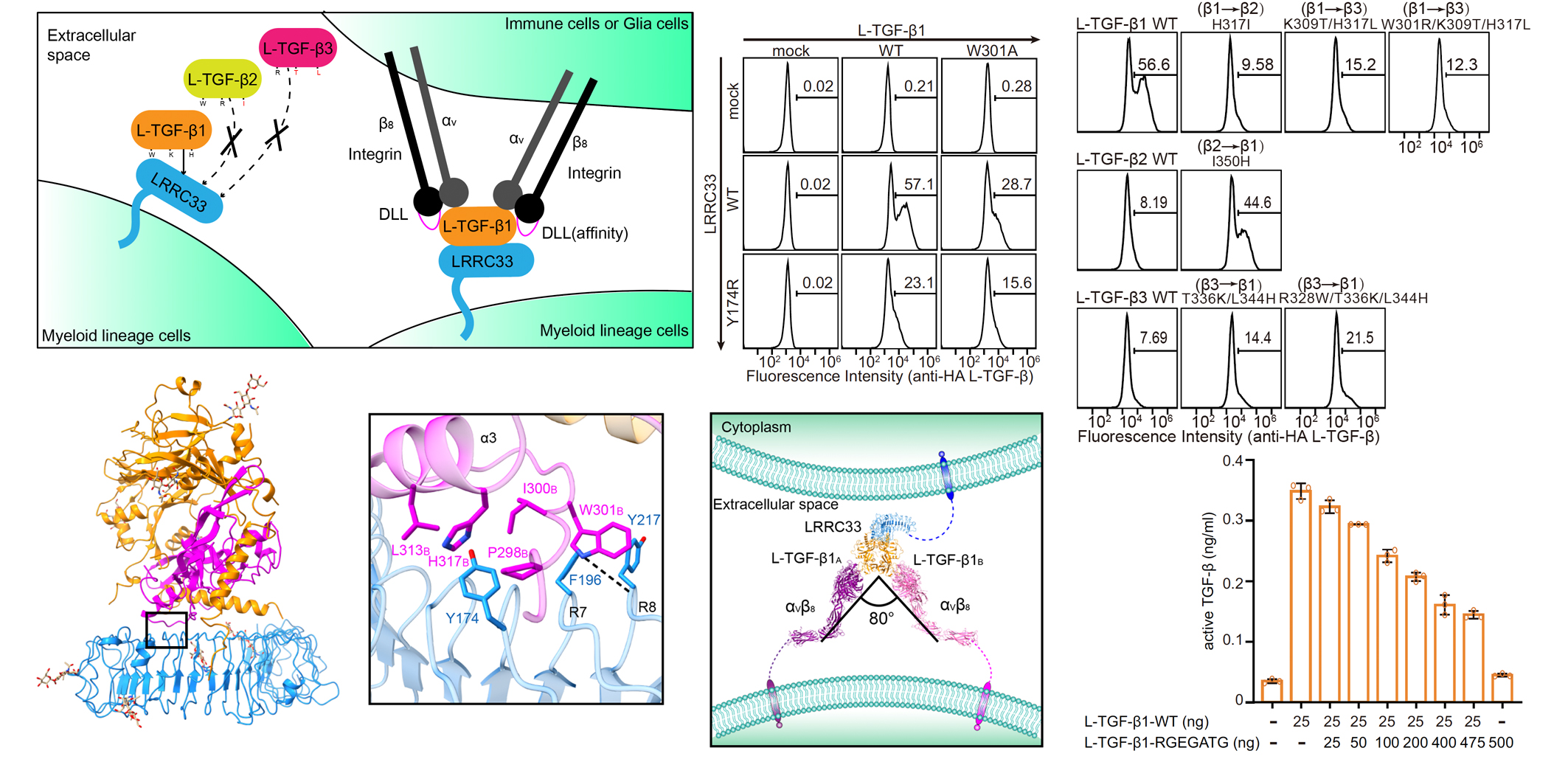
- Growth Factor Signaling: Elucidated the presentation and activation process of latent TGF-β1 (L-TGF-β1) (Nat. Commun. 2022).
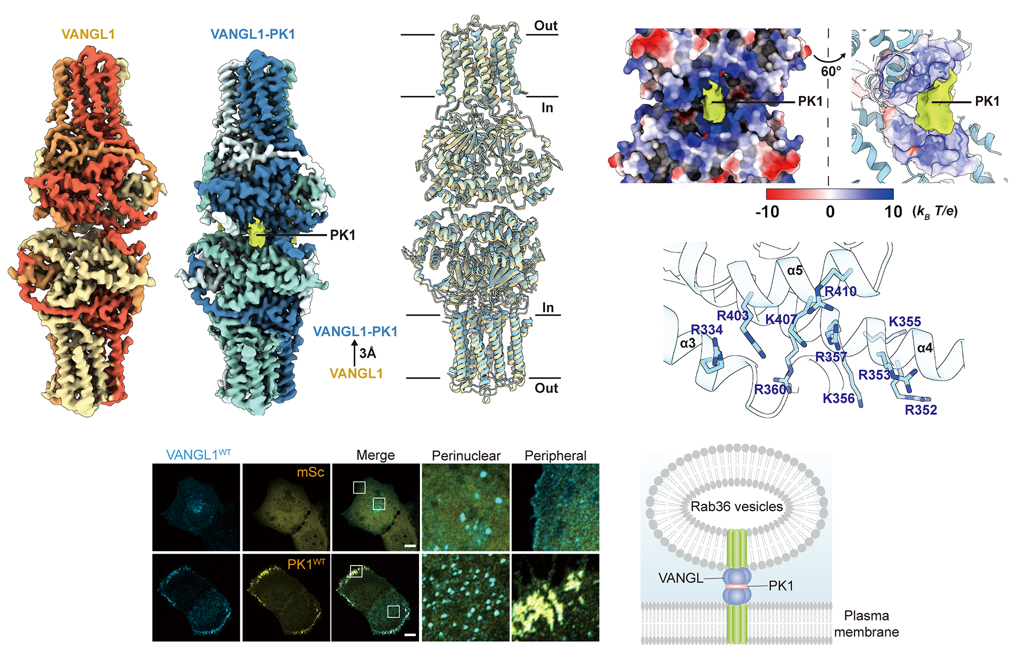
- Receptor Assembly: Revealed the assembly and signaling mechanisms of EGFR/HER2 heterodimers (Cell Discov. 2023) and the assembly and function of the non-canonical WNT signaling complex VANGL-PRICKLE (Nat. Commun. 2025).
Our group primarily employs cryo-electron microscopy (cryo-EM) to determine high-resolution structures of key membrane proteins.By integrating biochemistry, cell biology, and computational biology, we systematically elucidate molecular mechanisms underlying substrate recognition, transmembrane transport, and signal transduction.Building on these structural insights, we conduct structure-based drug design and screening to provide a theoretical basis for novel therapeutics.
To date, we have published over 20 papers as a corresponding or first author in prestigious journals including Nature, Cell, Science, NSMB, Nature Communications, and Cell Research.

 & Zhe Zhang