
Direct activation of SARM1 by dsDNA is not supported by biochemical and cellular evidence
Posted on 2026/09/11
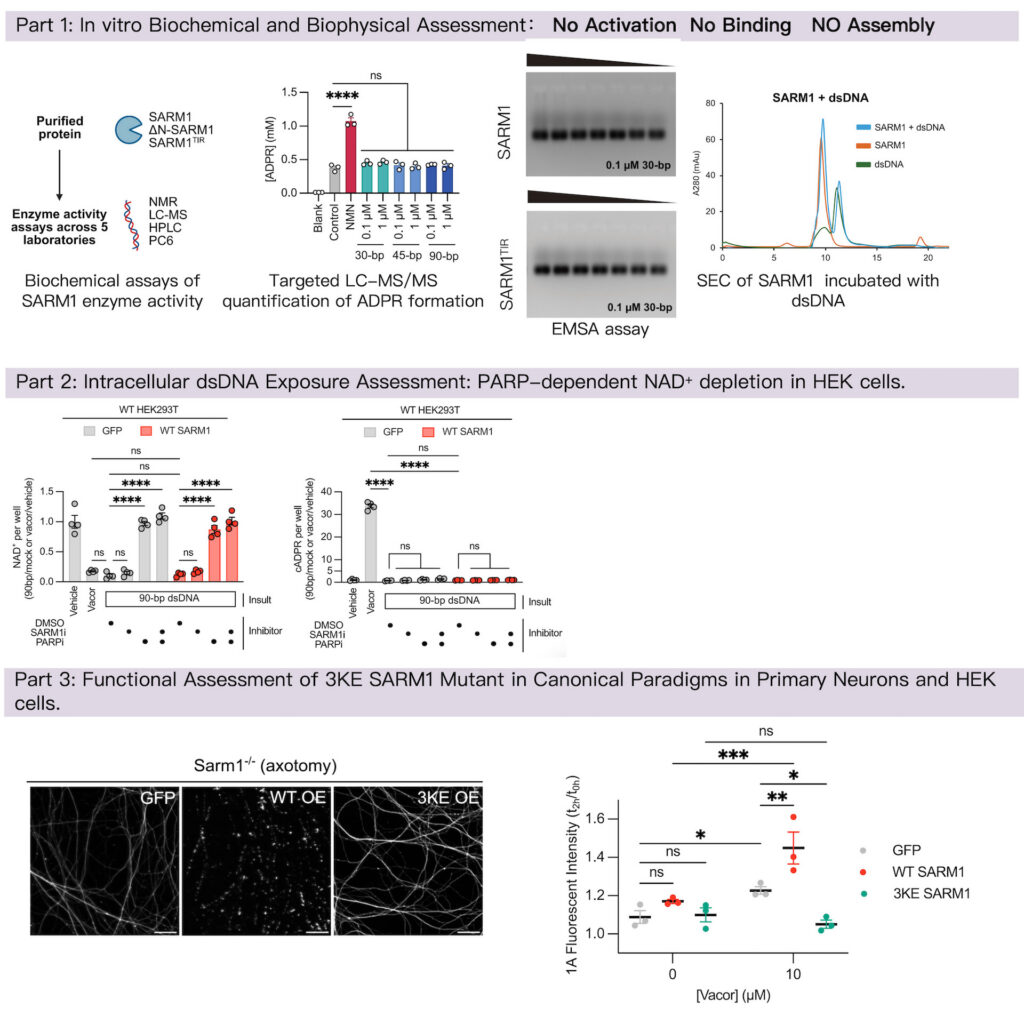
Sterile alpha and Toll/interleukin-1 receptor motif–containing protein 1 (SARM1) is a NAD+-consuming enzyme that drives axon degeneration and is activated by changes in the NMN/NAD+ ratio. A recent study proposed that cytosolic double-stranded DNA (dsDNA) directly binds SARM1’s TIR domain, activating it independently of this canonical mechanism. Here, we evaluate dsDNA-dependent SARM1 activation using purified SARM1, biochemical and biophysical assays, primary neurons, and cellular pharmacology. Across multiple platforms, dsDNA does not stimulate SARM1 NADase activity, promote higher-order assembly, or generate the metabolic signature of activated SARM1. When effects are observed, they are weak, context-dependent, and inconsistent across assays, and do not support a defined activation mechanism. In cells, dsDNA induces NAD+ depletion through PARP-dependent pathways independently of SARM1. The reported DNA-binding mutant (3KE-SARM1) is nonfunctional in canonical SARM1 activation paradigms such as axotomy and therefore cannot be used to infer dsDNA activation mechanisms. Together, these findings do not support a model in which SARM1 is directly activated by dsDNA.
New Beginnings at PKU Health Science Center: Wishing Zhang Lab a Brilliant Future
Posted on 2026/09/01
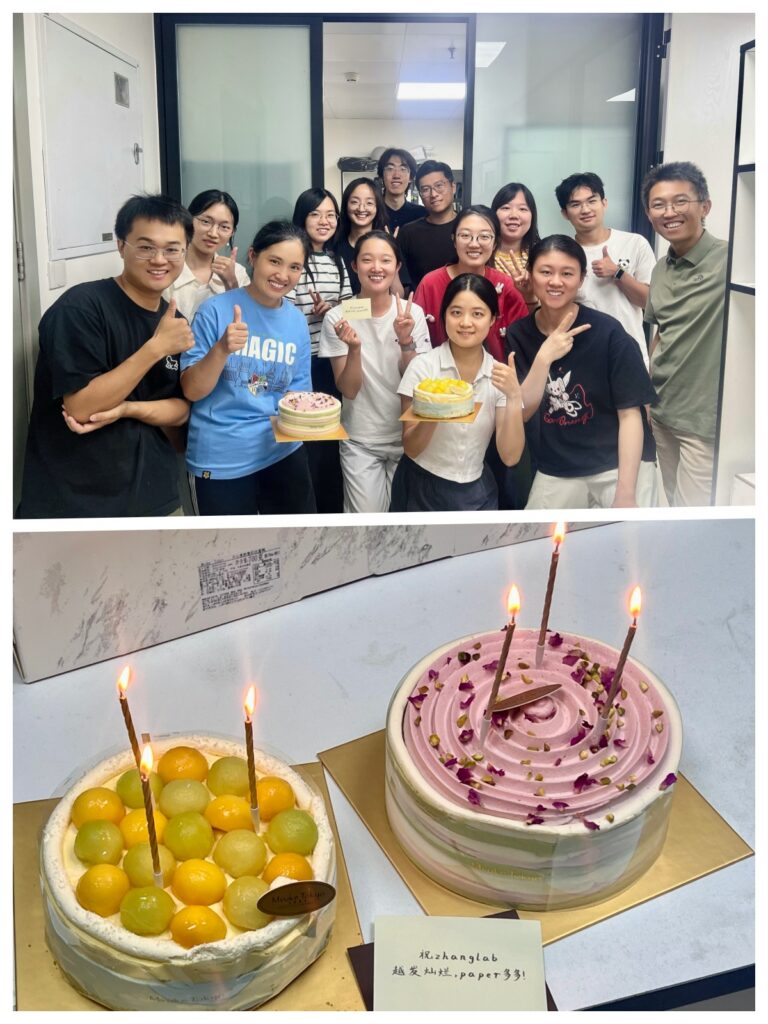
On September 1, Zhang Lab officially relocated to the Peking University Health Science Center, embarking on a new chapter of scientific exploration. Dedicated to investigating the structural and pharmacological mechanisms of membrane transporters and receptor proteins associated with neurological disorders and tumors, the lab primarily employs cryo-electron microscopy (cryo-EM) integrated with biochemistry, cell biology, and computational biology. Its research has yielded significant breakthroughs in neurotransmitter vesicular loading, vitamin transporter substrate recognition, metabolite transport, and transmembrane signal transduction, with findings published in top journals including Nature, Cell Research, Nature Structural & Molecular Biology, and Nature Communications. From its new base at PKU Health Science Center, Zhang Lab looks forward to continuing its pioneering work in membrane protein biology and innovative drug discovery, striving for continued scientific breakthroughs in the years to come.
Structural basis for multivitamin recognition and transport by human SMVT
Posted on 2026/06/27
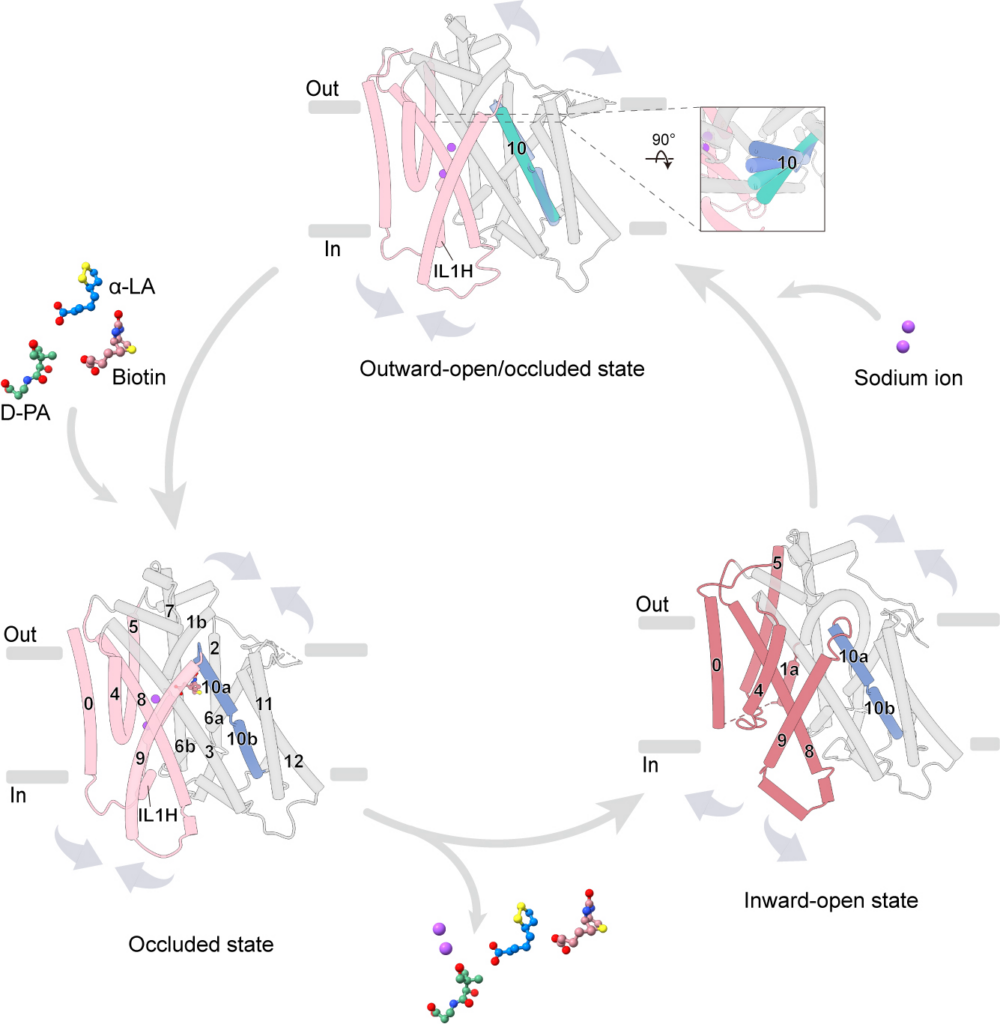
The human sodium-dependent multivitamin transporter (SMVT, SLC5A6) mediates cellular uptake of essential metabolic cofactors, including biotin, pantothenate, and lipoate. Its dysfunction is associated with neurological disorders, metabolic abnormalities, and cancer. However, the molecular mechanism underlying its multi-substrate transport has remained elusive. Here, we present cryo-electron microscopy structures of human SMVT in three conformational states: occluded, outward-open, and inward-open. These structural snapshots capture the complete transport cycle and reveal a conserved substrate-binding pocket near a kinked transmembrane helix (TM1). Within this pocket, substrate carboxyl groups are electrostatically anchored, while distinct chemical moieties interact with specific polar and hydrophobic residues. Functional assays identify key binding residues and elucidate the pathogenic effects of disease-associated mutations. Further structural analysis delineates the principles of substrate discrimination within the SLC5 transporter family. Together, our work provides a structural framework for SMVT’s polyspecificity and lays a foundation for understanding related diseases and developing targeted therapeutic strategies.
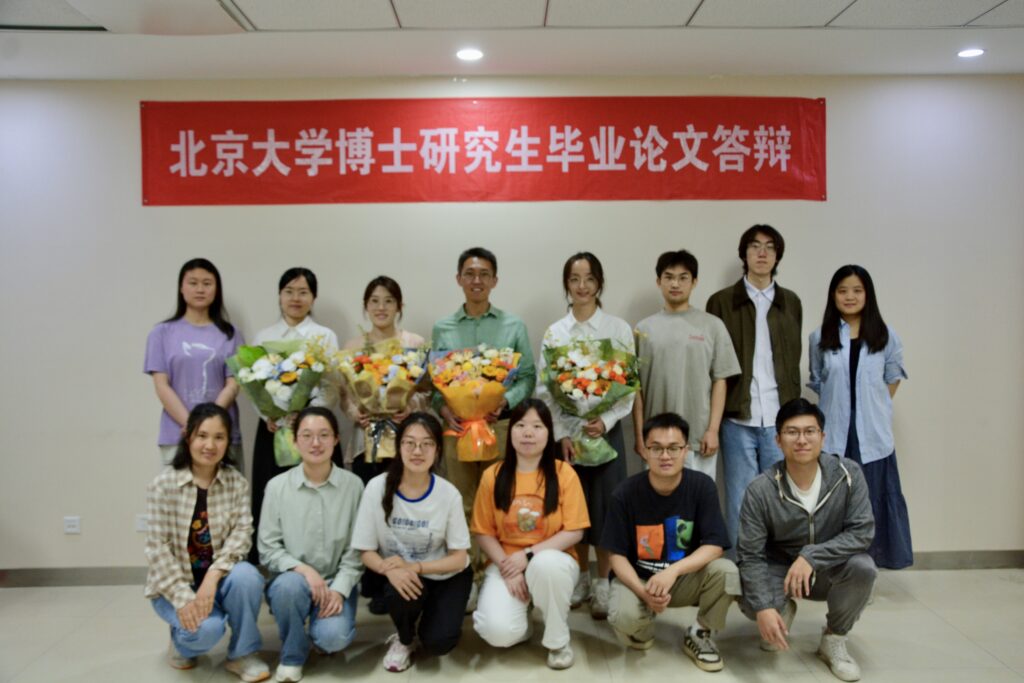
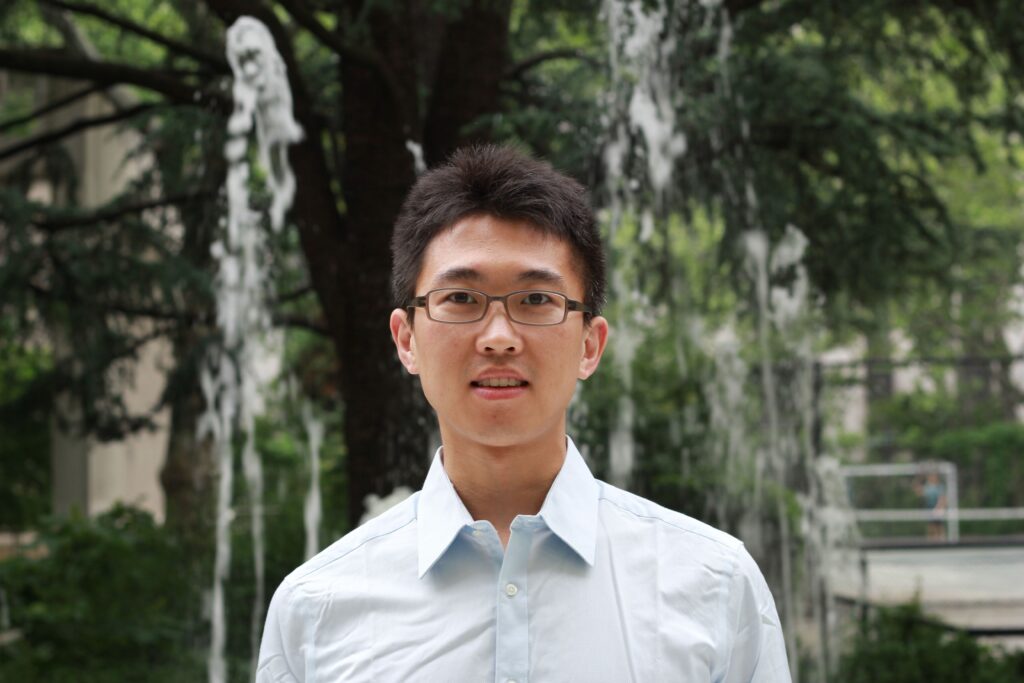
Triple Triumph: Yuefeng Jiang, Qiuxin Zhen, and Yang Zhang Awarded Doctoral Degrees. Congratulations!
Posted on 2026/05/22
Congratulations to Associate Professor Zhe Zhang on Joining PKU School of Pharmaceutical Sciences
Posted on 2026/03/30
https://mp.weixin.qq.com/s/Qvl5oL8MwLX4ZYviGqWAJQ
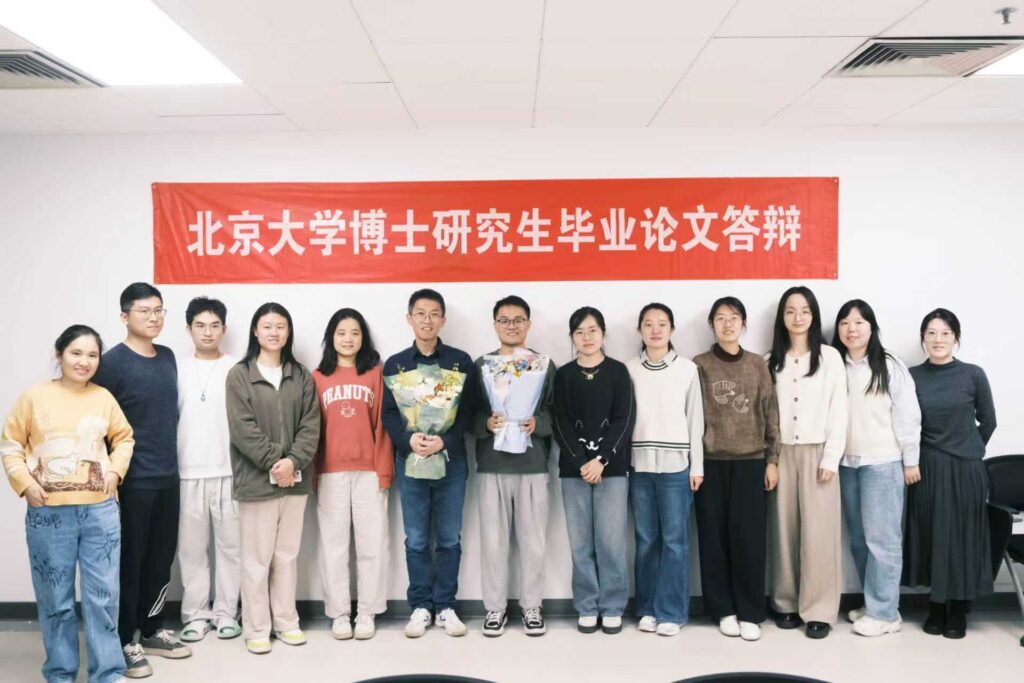
From Candidates to Doctor
Posted on 2025/11/19
Dong Zhou finished his Ph.D. journey today. Congratulations!
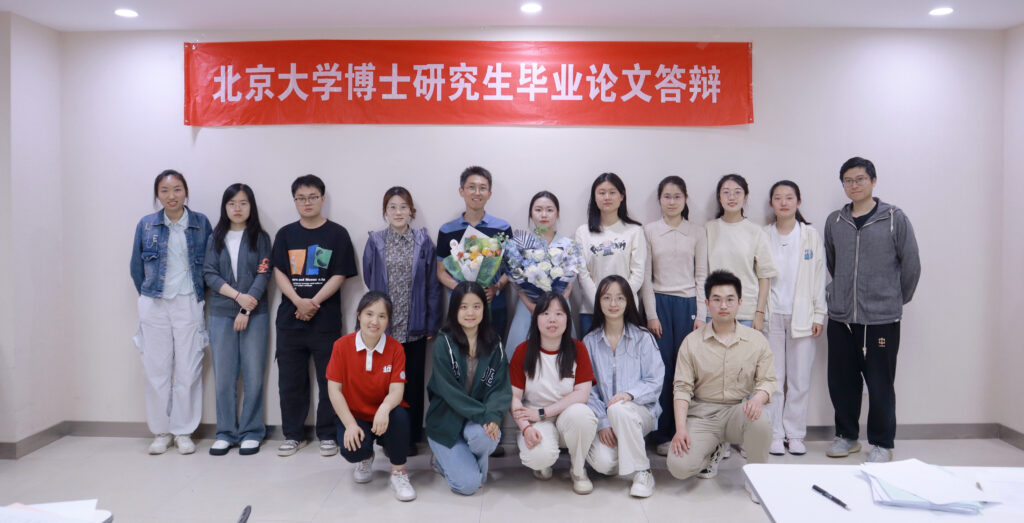
From Candidates to Doctor
Posted on 2025/05/22
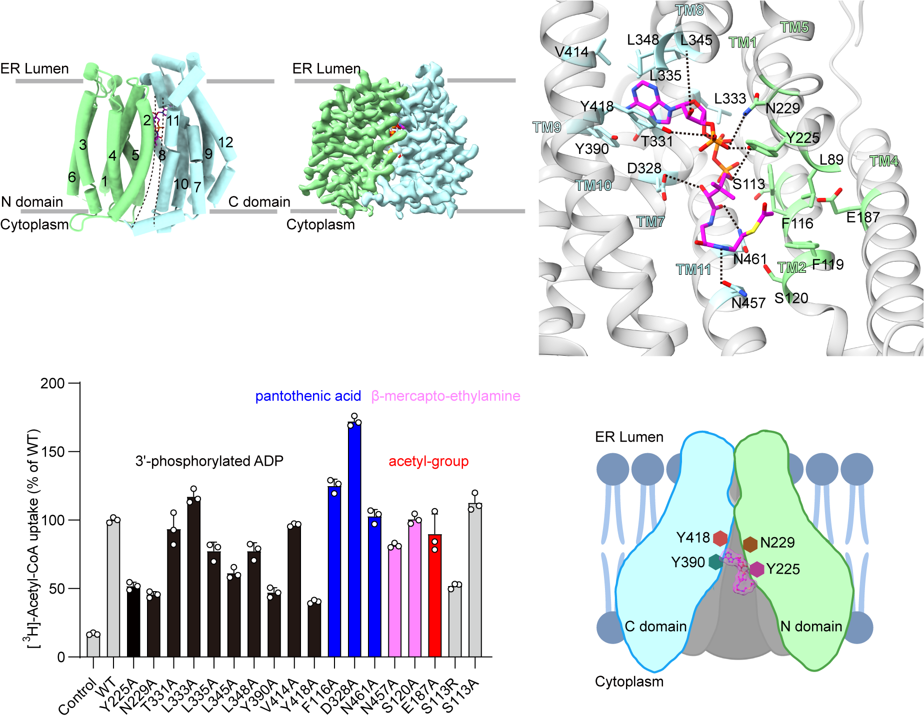
New research:Mechanistic insights into the acetyl-CoA recognition by SLC33A1
Posted on 2025/04/10
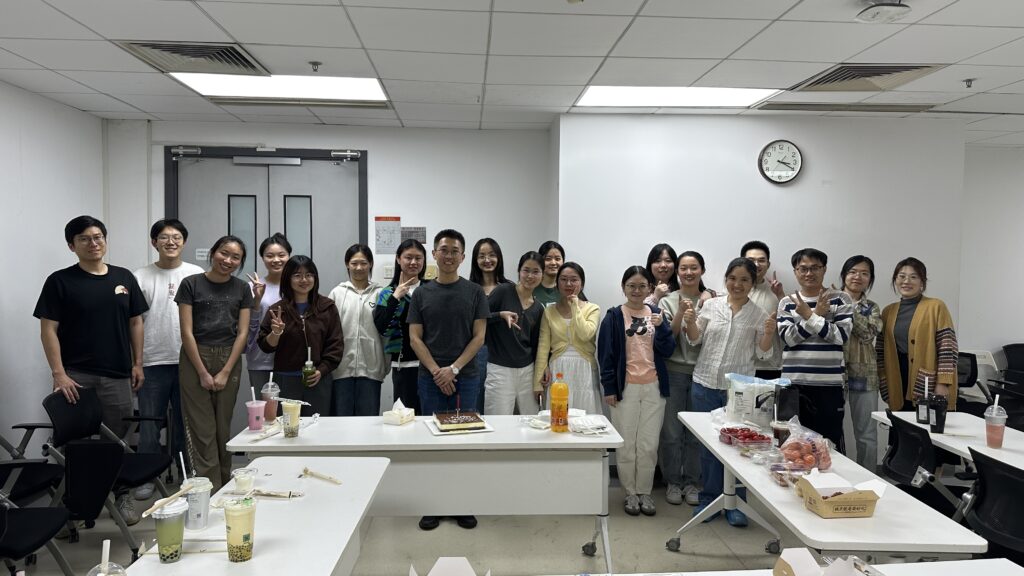
Happy birthday to Zhe 2025!
Posted on 2025/03/24
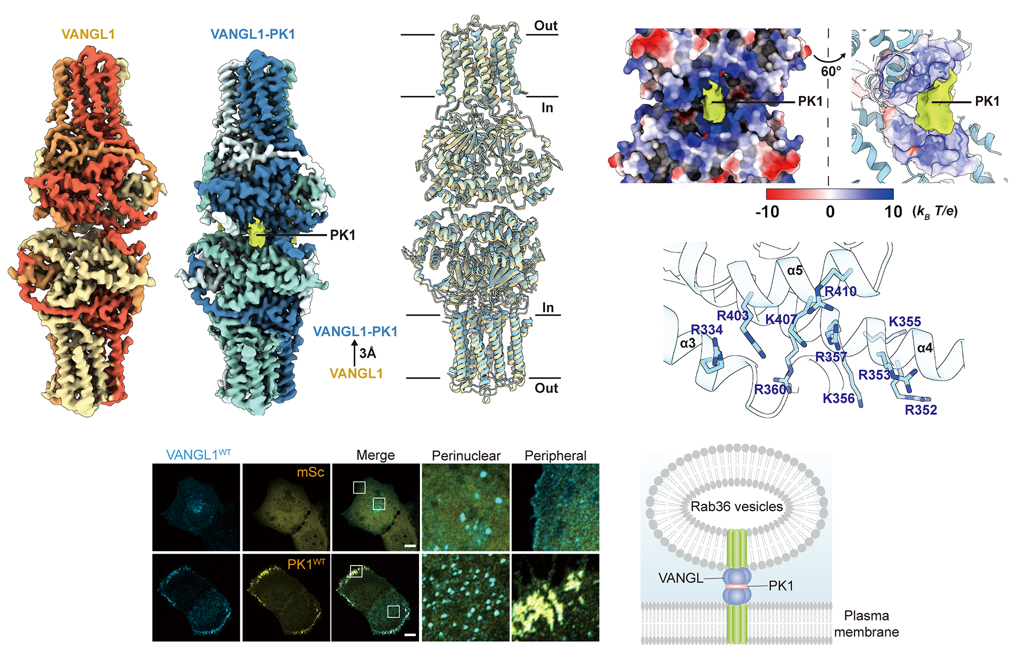
Structural basis of human VANGL-PRICKLE interaction
Posted on 2025/01/03
Planar cell polarity (PCP) is an evolutionarily conserved process for development and morphogenesis in metazoans. The well-organized polarity pattern in cells is established by the asymmetric distribution of two core protein complexes on opposite sides of the cell membrane. The Van Gogh-like (VANGL)-PRICKLE (PK) pair is one of these two key regulators; however, their structural information and detailed functions have been unclear. Here, we present five cryo-electron microscopy structures of human VANGL1, VANGL2, and their complexes with PK1 at resolutions of 2.2–3.0 Å. Through biochemical and cell imaging experiments, we decipher the molecular details of the VANGL-PK interaction. Furthermore, we reveal that PK1 can target VANGL-containing intracellular vesicles to the peripheral cell membrane. These findings provide a solid foundation to understand the explicit interaction between VANGL and PK while opening new avenues for subsequent studies of the PCP pathway.
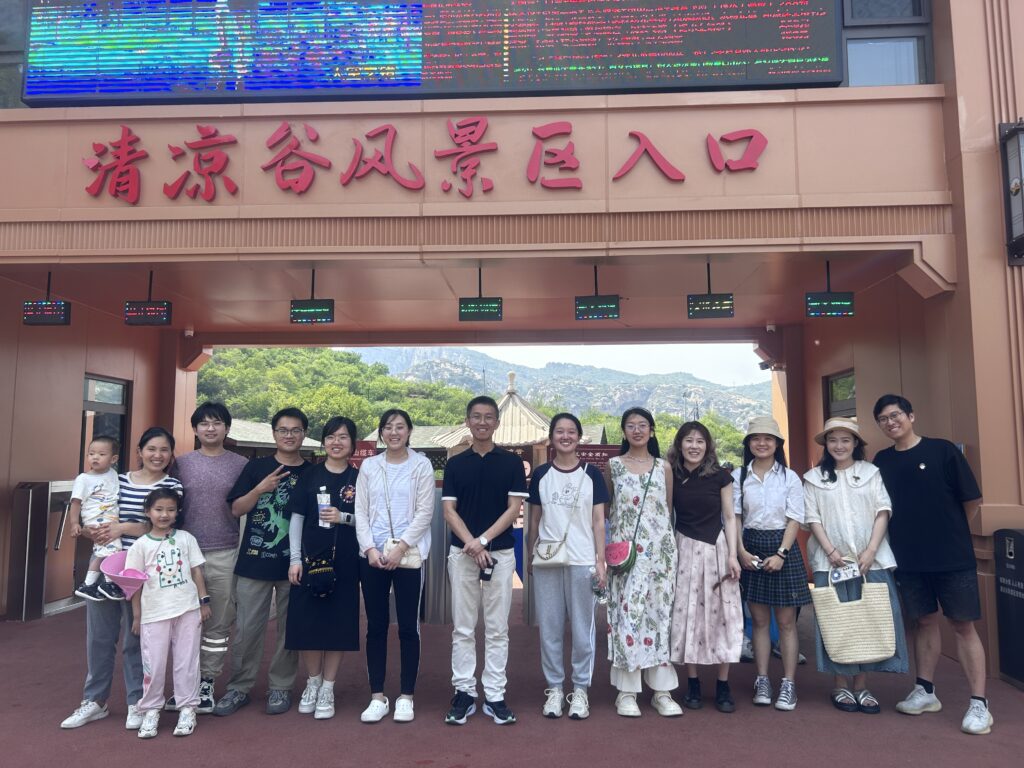
Summer outing 2024:Miyun ,Beijing
2024/06/28
Wandering through Qingliang Valley is like stepping into a living landscape painting. Waterfalls compose summer melodies, crystal pools mirror drifting clouds, while the glass walkway offers thrilling vistas. The water park echoes with laughter, adding vibrant energy to this natural retreat.
This haven beckons hikers and families alike—sip tea over board games, splash in playful adventures, sharing joyous moments amid mountain vistas. Far from urban clamor, here both body and soul find renewal, every moment brimming with warmth and delight.